Lars Weber · 13 September 2026
How Infrastructure Transitions Influence Crawl Patterns and Indexation Timelines in Dynamic Web Environments
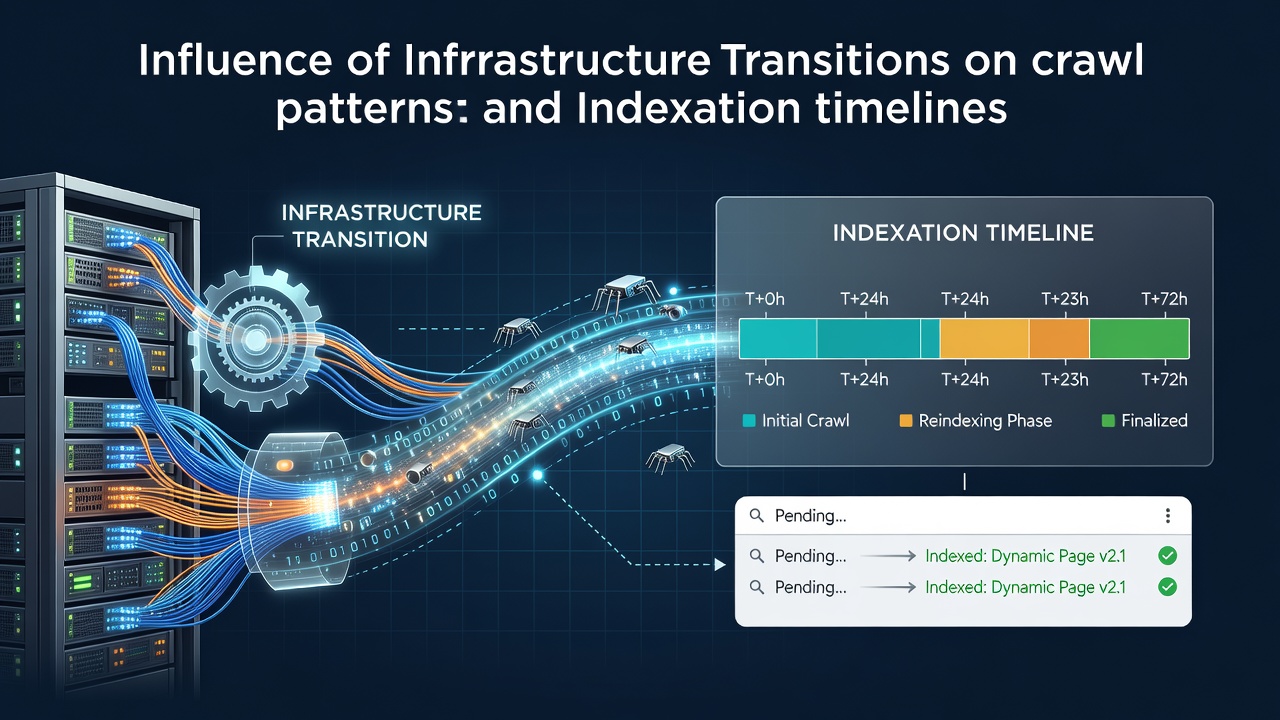
Server migrations, CDN adoptions, and cloud platform shifts reshape how automated systems discover and process website content, and data from multiple studies shows these changes alter both the frequency and depth of visits by indexing agents. Observers note that when organizations move hosting environments the underlying IP addresses, response headers, and latency profiles change, which in turn modifies the signals that determine how quickly new pages enter search indexes. Research indicates that such transitions often coincide with temporary drops in crawl volume because agents treat unfamiliar infrastructure as lower priority until trust metrics reestablish.
Core Mechanisms Behind Crawl Behavior During Transitions
Dynamic web environments rely on continuous content updates, yet infrastructure changes interrupt the steady flow of requests that agents normally send; while response time improvements can accelerate revisits, sudden spikes in latency or altered certificate configurations trigger conservative crawling schedules that extend across days or weeks. Those who monitor server logs frequently observe that agents reduce request rates after detecting new autonomous system numbers or different geographic server locations, and this behavior stems from built-in safeguards designed to avoid overloading unknown hosts. According to figures released through the European Commission's digital infrastructure reports, sites undergoing major platform migrations experience an average 30 to 45 percent reduction in daily crawl requests during the first two weeks post-transition.
Indexation Timelines and Signal Reestablishment
Indexation timelines lengthen when URL structures remain stable but backend delivery mechanisms shift, because agents must revalidate content freshness and quality signals before assigning new crawl budgets. Data shows that pages served from fresh infrastructure often require additional processing cycles to confirm they match previously indexed versions, and this verification step can delay appearance in results by up to several weeks. What's notable is that sitemap resubmissions and robots.txt updates during these periods help agents rediscover content paths more efficiently, although incomplete configuration changes sometimes create temporary blocks that further postpone full reindexing.
By September 2026, widespread adoption of edge computing nodes has introduced additional variables, as agents must now account for distributed content versions across multiple geographic points rather than single origin servers. Research published through academic networks in Australia highlights that organizations maintaining consistent canonical headers and stable TLS setups during migrations see indexation recovery occur 18 percent faster than those with fragmented certificate chains.
Practical Patterns Observed Across Different Transition Types
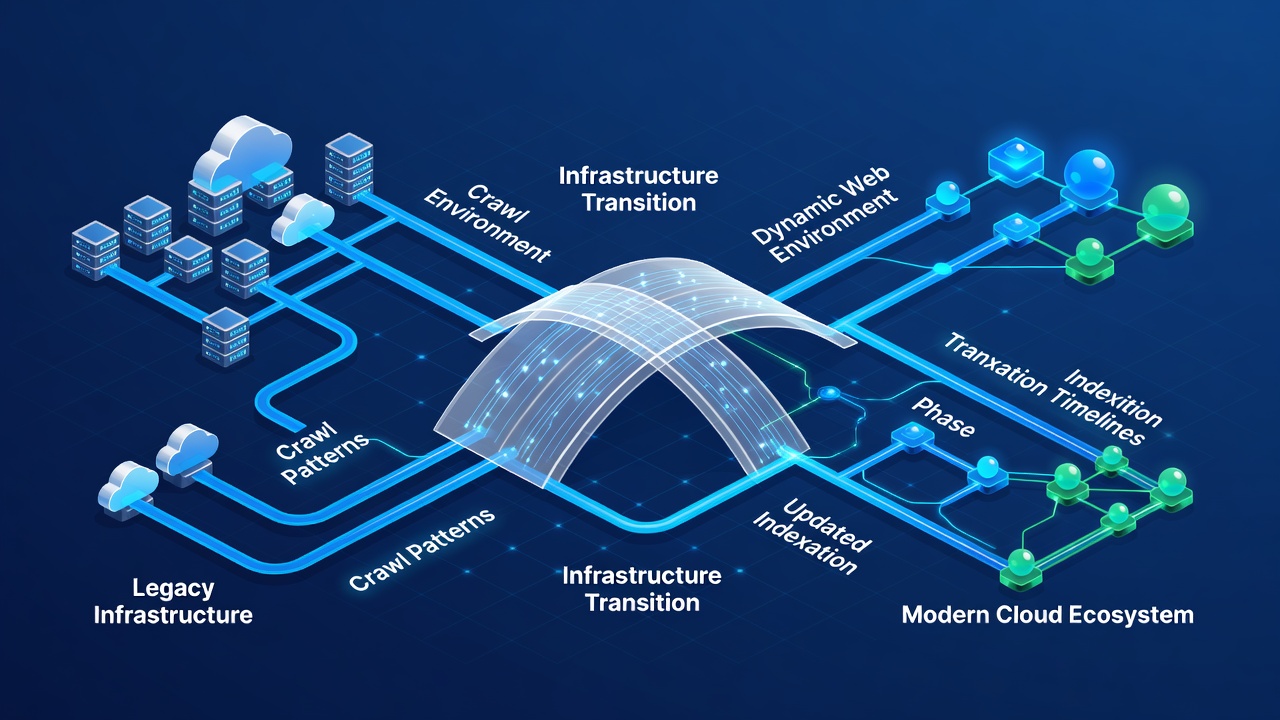
Host cutovers produce the most immediate effects because agents rely on historical performance data tied to specific IP ranges, and new ranges lack accumulated trust scores that influence scheduling algorithms. Cloud platform switches introduce subtler shifts since containerized deployments can alter header signatures and compression methods, prompting agents to treat content as potentially modified even when visible elements stay identical. Those monitoring large-scale deployments report that hybrid approaches combining partial CDN rollouts with phased DNS propagation allow agents to maintain higher request volumes throughout the process, reducing the duration of reduced indexing activity.
Case examples from enterprise migrations demonstrate that sites preserving consistent internal linking structures and avoiding simultaneous changes to multiple infrastructure layers recover crawl patterns more rapidly, while simultaneous alterations to hosting, CDN, and security layers compound delays. Figures from Canadian digital economy assessments indicate that coordinated transition planning correlates with shorter periods of reduced agent activity across monitored domains.
Technical Factors That Modulate Agent Responses
Server response codes, redirect chains, and resource loading sequences each contribute to how agents interpret infrastructure stability during transitions, and prolonged 5xx errors or inconsistent redirect targets can reset accumulated crawl priorities entirely. Observers tracking agent behavior note that content delivery networks with strong geographic distribution often accelerate re-crawling once initial validation completes, because lower latency encourages more frequent visits once trust thresholds are met. Yet incomplete propagation of DNS changes across global resolvers sometimes creates staggered access patterns that fragment the overall indexing timeline.
Conclusion
Infrastructure transitions reshape crawl patterns and indexation timelines through measurable changes in technical signals that agents evaluate continuously, and organizations that align migration steps with established validation protocols experience more predictable recovery periods. Data from regulatory and academic sources across regions confirms that attention to header consistency, certificate management, and phased rollout strategies supports steadier agent engagement throughout these processes, allowing dynamic web environments to maintain visibility without extended interruptions.